Owl Asks Whom: A Charming Typography Design
First Impressions and Visual Personality
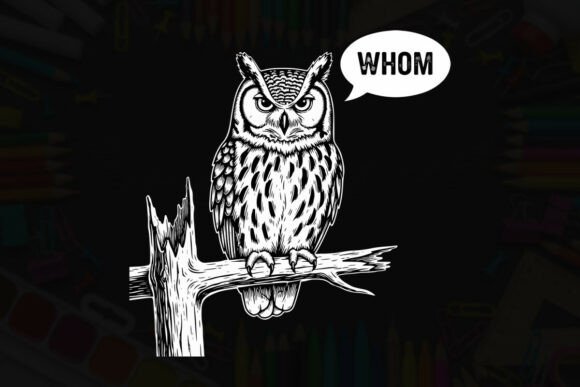
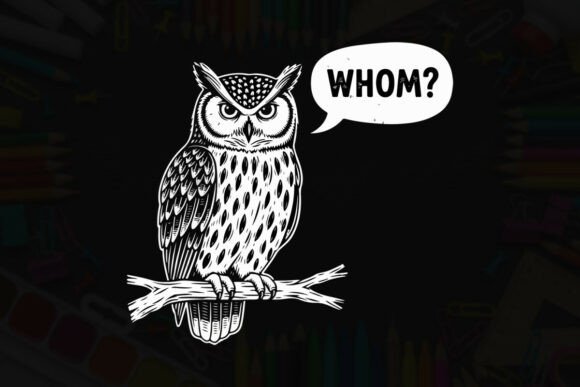
Upon first glance, the Owl Asks Whom Typography Design exudes a whimsical yet sophisticated charm. The playful owl motif paired with the elegant typography creates a design that is both eye-catching and endearing. This combination feels perfect for projects that aim to blend a touch of fun with a refined aesthetic.
Ideal Embroidery Projects and Real-Case Scenarios
Imagine crafting a custom embroidered tote bag or a cozy sweatshirt. The Owl Asks Whom Typography Design would make an excellent choice for these items. The design's balanced composition and clear lines would translate beautifully onto fabric, making it a standout piece for any craft business or Etsy seller. For baby items like onesies or nursery decor, this design adds a sweet and educational touch, perfect for celebrating the little learners in our lives.
Performance on Different Fabrics and Surfaces
When considering the Owl Asks Whom Typography Design for various embroidery projects, it's essential to think about the fabric and surface. This design works well on smooth, stable fabrics like cotton and canvas, where the details can be showcased without distortion. However, use caution with textured, thin, or stretchy fabrics, as these can affect the clarity and overall appearance of the design. For curved surfaces like caps, the design might require some adjustments to ensure it fits well and looks professional.
Practical Considerations for Embroidery Designers
- Test on Scrap Fabric: Before committing to your final project, always test the Owl Asks Whom Typography Design on scrap fabric. This step helps you understand how the design will look and behave on your chosen material.
- Thread Color Contrast: Choose thread colors that provide good contrast with the fabric. This ensures that the design stands out and is easily readable.
- Stitch Density: Review the stitch density to ensure it's appropriate for the fabric and the intended use. Dense stitching can add durability but may also cause issues on delicate or stretchy materials.
- Hoop Size: Confirm that the hoop size is suitable for the design. A properly sized hoop helps maintain the design's integrity and prevents distortion.
- Small Details: Inspect the small details, especially if using the design on a small scale. Tiny lettering and intricate elements need to be clear and legible.
- Black and White Mockups: Test the design in black and white to check its visual clarity. This step is particularly useful for ensuring the design is effective even without color.
- Fabric Backgrounds: Compare the design on light and dark fabric backgrounds to see how it performs in different scenarios. This helps in choosing the best fabric for your project.
- Proper Stabilizer: Use the right stabilizer to support the fabric and maintain the design's shape. This is crucial for achieving a professional finish.
Enhancing Visual Appeal and Product Value
The Owl Asks Whom Typography Design has the potential to significantly enhance the visual appeal and value of your handmade products. Its unique and thoughtful design can make a simple tote bag or sweatshirt feel like a premium item. Customers are likely to appreciate the attention to detail and the charming personality of the design, which can boost their trust in your brand and increase buyer engagement.
Commercial and Personal Use
Whether you're creating a personalized gift, a custom apparel line, or a commercial embroidery project, the Owl Asks Whom Typography Design is versatile enough to meet your needs. It's important to confirm the licensing terms before selling finished items or digital embroidery files. This ensures that you are using the design legally and ethically, maintaining the professionalism and integrity of your craft business.
Final Thoughts
The Owl Asks Whom Typography Design is a delightful and versatile choice for a wide range of embroidery projects. Its charming and refined nature makes it a valuable asset for any designer, crafter, or small business owner. By carefully considering the practical aspects of embroidery, such as fabric type, stitch density, and stabilizer use, you can create stunning and high-quality finished products that resonate with your customers.